What If We're Measuring Leadership All Wrong?
Lately, I’ve found myself returning to a deceptively simple question.
Not because I have an answer to it, but because it seems to sit beneath so much of the work I do with leaders, teams and organisations.
What if we’re measuring leadership all wrong?
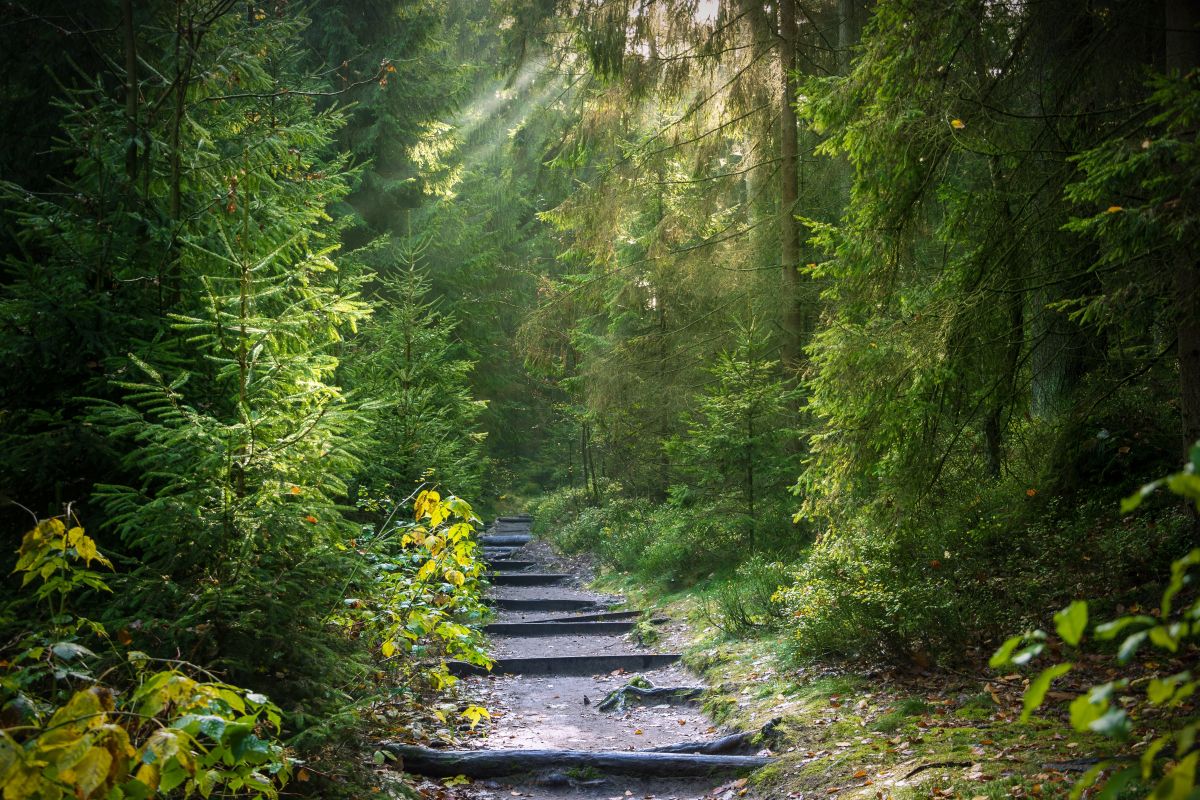
The question first arrived quietly, as many important questions do. Since then, it has accompanied me on woodland walks, surfaced in conversations with clients, and lingered long after workshops have ended.
We live in a world that likes measures.
Targets. Outcomes. Productivity. Growth. Visibility. Influence.
These things matter. They help us make sense of progress and provide useful indicators along the way.
Yet I can’t help wondering whether some of the most important aspects of leadership resist measurement altogether.
How do we measure the moment when someone feels truly heard?
How do we quantify the courage it takes to speak an uncomfortable truth?
How do we capture the impact of a leader who creates enough trust for others to bring their whole selves into a conversation?
These moments rarely appear on a dashboard. They won’t feature in quarterly reports or annual reviews. Yet they shape teams, relationships and cultures in profound ways.
The longer I spend working with leaders, particularly outdoors, the more I notice that transformation often begins in places that are difficult to measure.
A shift in perspective.
A deeper question.
A pause before reacting.
A willingness to listen.
A renewed sense of connection to what really matters.
These are subtle changes. Sometimes almost invisible. Yet they create ripples that extend far beyond the moment itself.
Nature offers a useful lens here.
When we step outside, the language of metrics often loosens its grip.
A woodland does not measure its value by the height of a single tree. A healthy ecosystem is not built on individual performance alone. What matters is the quality of the relationships between its parts. Diversity. Adaptability. Interdependence. Contribution.
Each element supports the whole.
Not through competition, but through connection.
It makes me wonder whether leadership might be viewed in much the same way.
What if leadership is not primarily about individual achievement?
What if it is about creating the conditions in which others can thrive?
What if the real measure of leadership is not how visible we are, but how safe others feel in our presence?
What if it is not about having all the answers, but about creating space for better questions?
What if success is not defined by what we control, but by what becomes possible because of the environment we help cultivate?
These reflections are not conclusions.
They are simply thoughts that continue to emerge through conversations, coaching sessions and time spent outdoors observing how nature navigates complexity without command-and-control structures, performance reviews or strategic plans.
Perhaps that is one of its greatest lessons.
Healthy systems focus less on appearance and more on conditions.
Less on outputs and more on relationships.
Less on certainty and more on adaptability.
As organisations navigate increasing complexity and uncertainty, I find myself wondering whether leadership asks for something similar from us.
Not bigger targets.
Not louder voices.
But greater presence.
Deeper listening.
More curiosity.
More attention to the quality of the conditions we create around us.
So I continue to sit with the question.
What if we're measuring leadership all wrong?
And perhaps an even more important question follows.
If the traditional measures were taken away, how would you know whether your leadership was making a meaningful difference?
I'm still thinking about that. 🍃