What We’re Not Talking About in Leadership
This week I’ve been coaching someone who sits in that difficult, delicate space — vulnerable, unpredictable, and at times challenging for their leader to support. And it’s reminded me of something we rarely acknowledge in leadership circles:
Leaders are asked to navigate the full uniqueness of human behaviour…
but most have never been trained in human behaviour.
We expect leaders to understand trauma, defensiveness, avoidance, overwhelm, emotional volatility, masking, fear, and the quiet ways people protect themselves — yet we give them no grounding in how humans actually work.
So leaders end up trying to “manage” behaviour that is often a symptom of something deeper.
They bend over backwards.
They absorb the emotional load.
They try to stay fair, compassionate, and consistent.
And still they feel like they’re getting it wrong.
This is the part of leadership we don’t talk about enough:
the sheer complexity of being responsible for people who are carrying their own unseen stories.
And until we name this gap - the human behaviour gap - leaders will continue to feel under‑prepared, over‑responsible, and alone in situations that require far more than policy or procedure.
If this resonates, you’re not failing.
You’re simply leading in a world that asks too much and teaches too little.
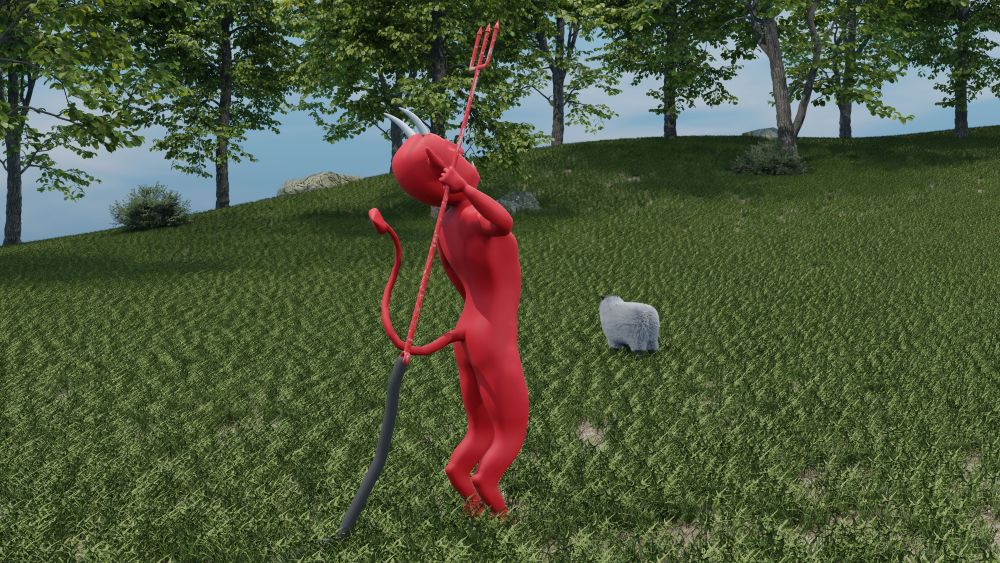
What Fresh Hell Is This?
I’ve always loved that phrase. I even used it as a title on my website years ago. It captures that moment leaders face daily - when a situation suddenly shifts, behaviour changes, and they’re left thinking:
What fresh hell is this?
Where did that come from?
And what am I supposed to do with it?
I first came across the phrase in Susan Scott’s Fierce Conversations - a game‑changing book for anyone interested in communication. She also coined another powerful truth:
“One conversation at a time.”
For all of my career, I’ve been fascinated by how communication shapes almost everything, our relationships, our workplaces, our communities, even our planetary survival. Every conversation has the power to build or destroy. And once spoken, it can’t be unspoken.
The Missing Channel in Leadership
Leaders are, in the main, intelligent and capable human beings. But their communication often runs on one channel:
- the knowledge channel
- the policy channel
- the systems chaneel
These are familiar, safe, and predictable.
But the human behaviour channel?
That’s the one most leaders never dial into.
It feels too complex, too emotional, too time‑consuming. So the trend is to focus on the channels that make sense, the ones that make leaders feel competent.
And the result?
We send leaders on communication skills training.
We teach leadership theories.
We offer coaching.
We give them knowledge.
And then we wonder why conflict still happens, why misunderstandings persist, why performance dips, why talent leaves, why sickness rises.
Because knowledge isn’t the gap.
Human behaviour is.
One Conversation at a Time
Susan Scott says:
“The conversation is the relationship.”
And while no single conversation is guaranteed to change the trajectory of a career, a company, a relationship, or a life - any single conversation can.
This is the work leaders are actually doing:
Navigating human behaviour, one conversation at a time, without the training, grounding, or support they need.
This is the human behaviour gap.
And it’s time we talked about it.
If this resonates with your own leadership experience - the complexity, the unseen stories, the conversations that shape everything - you’re not alone.
I support leaders and teams to navigate these human behaviour gaps with more clarity, confidence and compassion. If you’d like to explore this further, or talk through a situation you’re facing, you’re welcome to get in touch.
You can reach me here: